In my street at Beauty Point, Australia. All photos were taken with my smart phone HTC Desire this morning.
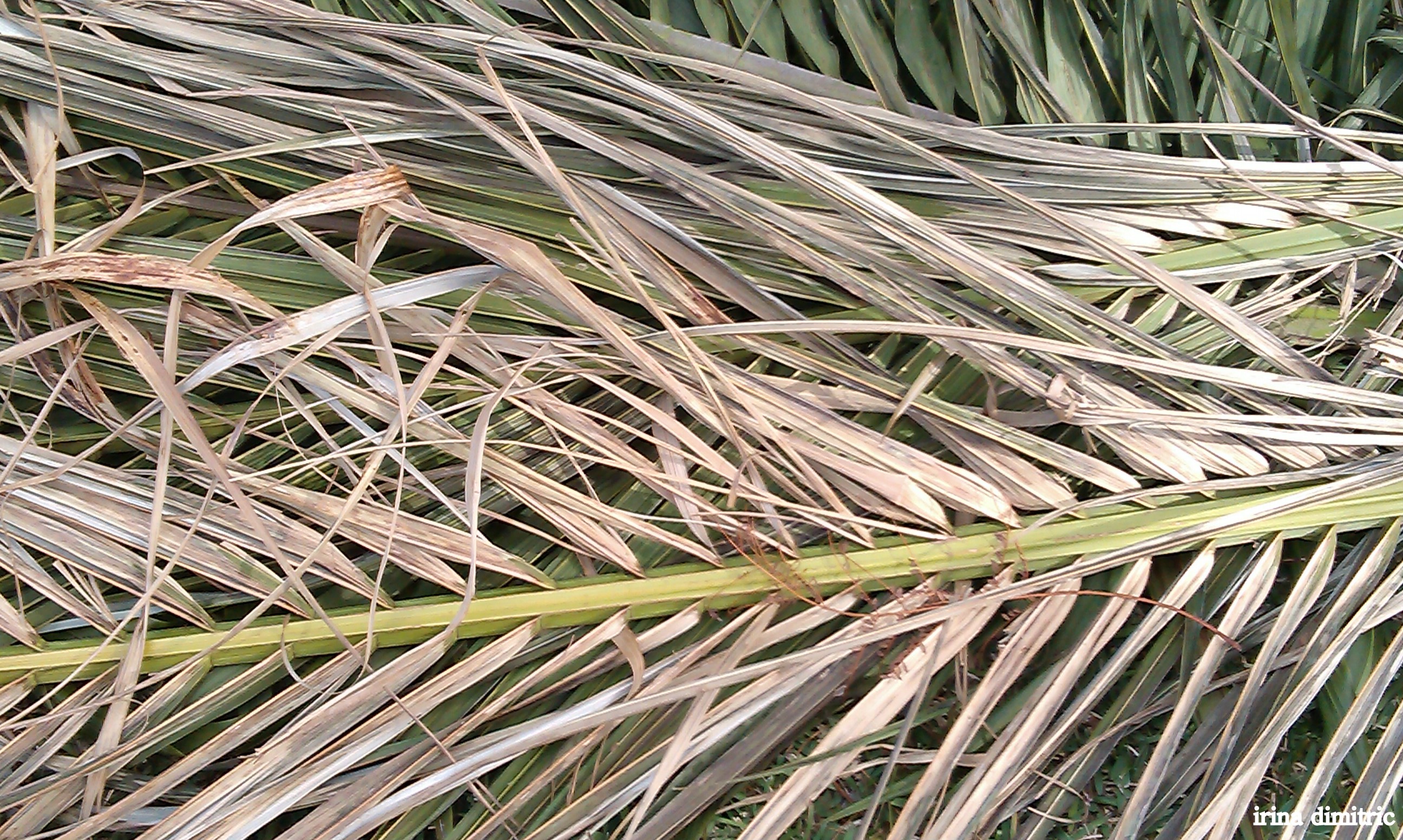
Dead palm tree branches
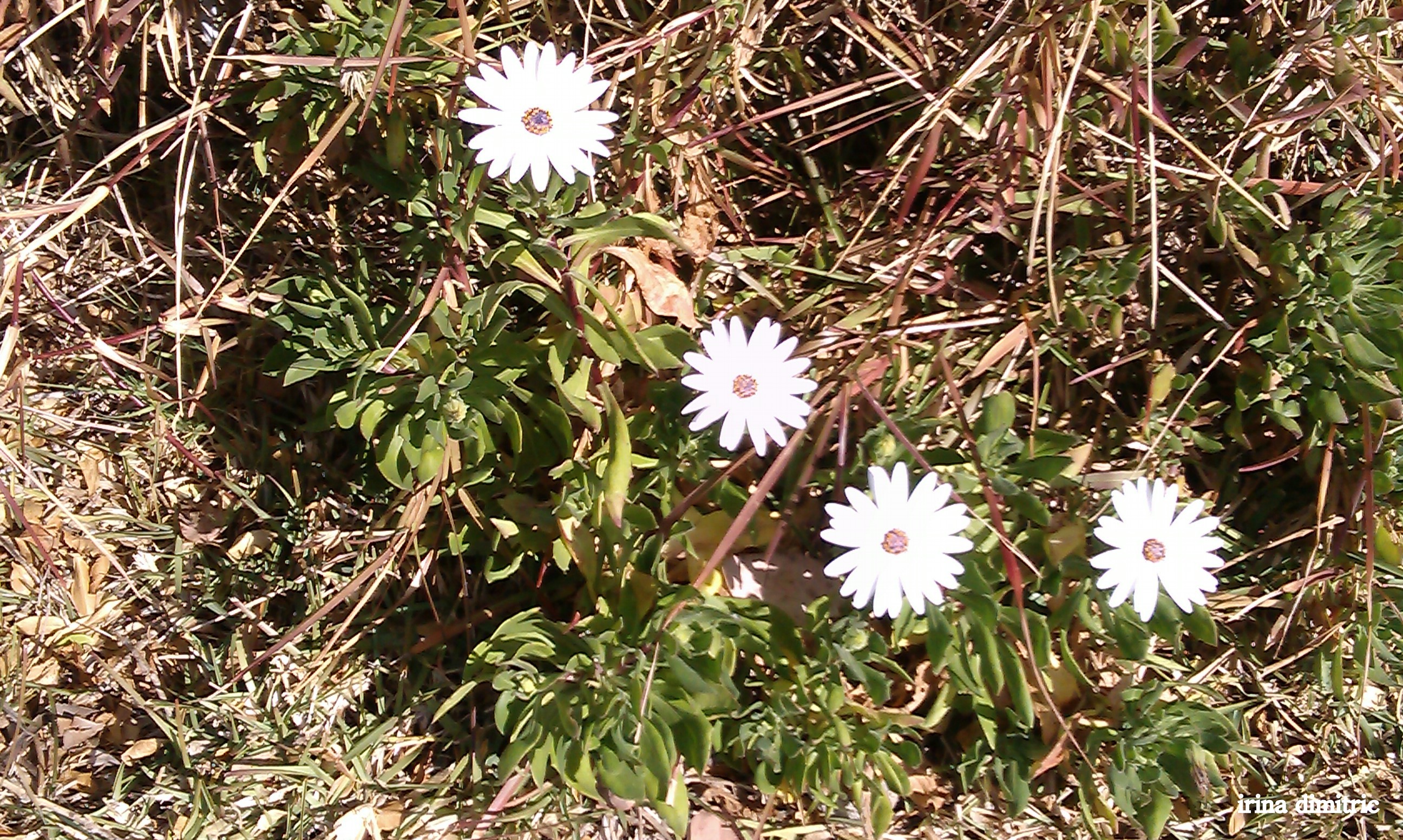
African daisies

A lonely leaf
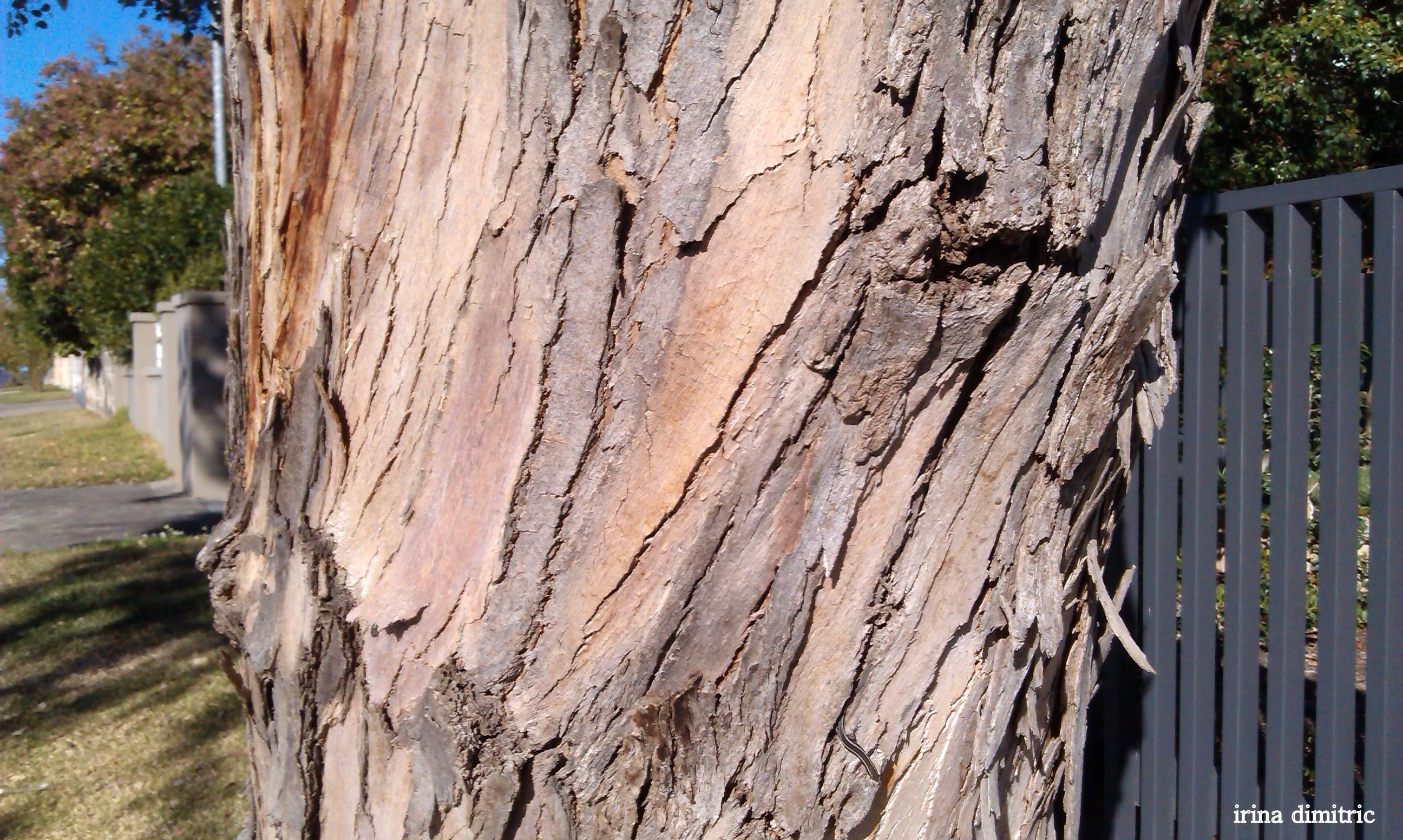
Gum tree bark
*
Copyright 2014 Irina Dimitric

In my street at Beauty Point, Australia. All photos were taken with my smart phone HTC Desire this morning.
Dead palm tree branches
African daisies
A lonely leaf
Gum tree bark
*
Copyright 2014 Irina Dimitric

A sprig of golden wattle
For the deceased
A gift of remembrance
By the bereaved
Both old and young
Deceased and bereaved
Now joined by the sweetest fragrance
Of the golden wattle sprig
At St Patrick’s
Three times she kissed the golden sprig
Before her frail, trembling hand
Stuck it
Into the golden wattle wreath
Before the altar
Cruel death met them in the sky
Two hundred and ninety-eight
Why? Why? Why?
Angelic voices sing a soothing hymn
Love conquers hate, they say
Love conquers death
At St. Patrick’s today
United in grief they stand
Side by side
Christian, Muslim, Buddhist and Jew
To honour the lives cut short
Their dead loved ones
Now resting in peace
In the end
Love always conquers hate
Love, sweet love, shall wipe their tears
The sweet fragrance of the golden wattle
Their hearts shall warm
Love shall not abandon us `
*
Written on the day of the National Memorial Service for the victims of the MH17 disaster at St. Patrick’s Cathedral, Melbourne, Australia. 7/o8/2014.
Copyright © 2014 Irina Dimitric
My Dad, Volunteer in WWI

Today is the 100th anniversary of the beginning of WWI. Here’s an abridged version of the first chapter of a memoir I’m writing about my Dad’s involvement in the Great War. At the time of the outbreak he was a medical student at Graz University.
*
“28 June 1914, Vidov dan (St. Vitus Day).”
This is how Dad started his story while I was recording it on my cassette recorder.
“It’s two o’clock in the afternoon. We’re sitting in a coffee house by a lake on the outskirts of Graz, when the waiter comes to us and announces the latest news: ‘Two hours ago Archduke Franz Ferdinand was assassinated in Sarajevo.’ We paid our bill and went home.”
“Only a day before, I had received a letter to report at Bregenz for the voluntary one-year military service. “
“I left for Bregenz on Wednesday.” In his late nineties Dad’s memory was amazing.
“As soon as I arrived, a Czech student approached me and whispered into my ear when he learnt I was a Serb. ‘You know what you can do? You can go for an excursion on the lake to Konstanz.’ He was a one-year volunteer like me.”
“Thank you”, I replied. “I’ll think about it.” I knew what he meant.
“Yes, that would be a way out of this dreadful situation, I thought. I couldn’t bear the thought of having to fight against my own people. I’d be free in Switzerland.”
“But first I went to see the captain of the garrison to report for duty. When he read my name, Bogdan Stojić, he asked me with a stern face: ’Du bist ein Serbe aus Sarajevo?’ And I replied politely: ’No, I’m a Serb from Croatia.’ He was quite unpleasant, clearly expressing his disgust at what had happened in Sarajevo. ‘See me tomorrow,’ he said.”
The next morning, young Bogdan Stojić walked to the lake Constance to catch the 6 am ferry. The third largest lake in Europe. The source of fresh water for Germany, Austria and Switzerland through which the mighty Rhine flows in and out again. Its blue waters in the misty morning were taking him to freedom, to neutral Switzerland. The German-Swiss border runs through the south part of the lake.
“The next morning, at 6 am, I caught a ferry to the town of Konstanz. I hired a boat and started rowing around in circles, wondering whether I should escape to Switzerland or not. I was rowing around for three to four hours unable to make a decision. I was afraid my father could lose his pension or suffer all kinds of reprisals. He just retired the year before. Then I wrote to a colleague in France, a year older than me. And I wrote to a Russian volunteer nurse I worked with in the Russian hospital in Belgrade in 1913. She was a daughter of a High Court Judge in Petrograd. I wrote to both of them, my colleague in France and Tatyana Firsova, telling them of my situation, not knowing what to do. I wasn’t expecting an answer on time. I just needed to unburden my soul.”
Filial duty prevailed, and in the evening Dad made a decision to return to Bregenz and the next morning reported to the captain.
“Tomorrow you’re going to ‘Freibürger’ school in Innsbruck,” the captain informed him.
“What kind of school?” I interrupted.
“Freibürger school. Students who volunteer to do military service for one year are trained to become officers. They were called ’einjährige Freibürger’, one-year volunteer. University students and those who matriculated enjoyed the privilege to choose three garrisons in the whole of Austria-Hungary where they would prefer to serve. I chose all three in the Tyrol and Vorarlberg because I liked the mountains. Innsbruck is a lovely town in the Alps.”
“The next day I came to collect my travel papers and, to my shock, instead of going to Innsbruck I was being sent to Osijek in Slavonia to the 78th regiment of the Austro-Hungarian Army.”
And that was the end of Dad’s idyllic one-year voluntary military service in the romantic Austrian Alps before it had even started. He was 21 years old.
© 2014 Irina Dimitric
In my garden at Beauty Point, Sydney, Australia in July 2014

Snowdrops getting ready to bloom

The first snowdrops opened up on 15 July this year. It was a rainy day. Strictly speaking, these are snowflakes, but they’re commonly called snowdrops. Snowflakes prosper well in Sydney gardens whereas snowdrops prefer a colder climate. A snowdrop has only one flower on a stem while snowflakes can have up to four flowers on a stem. Moreover, snowdrops don’t have green dots on petals, therefore, I think, snowflakes are prettier.
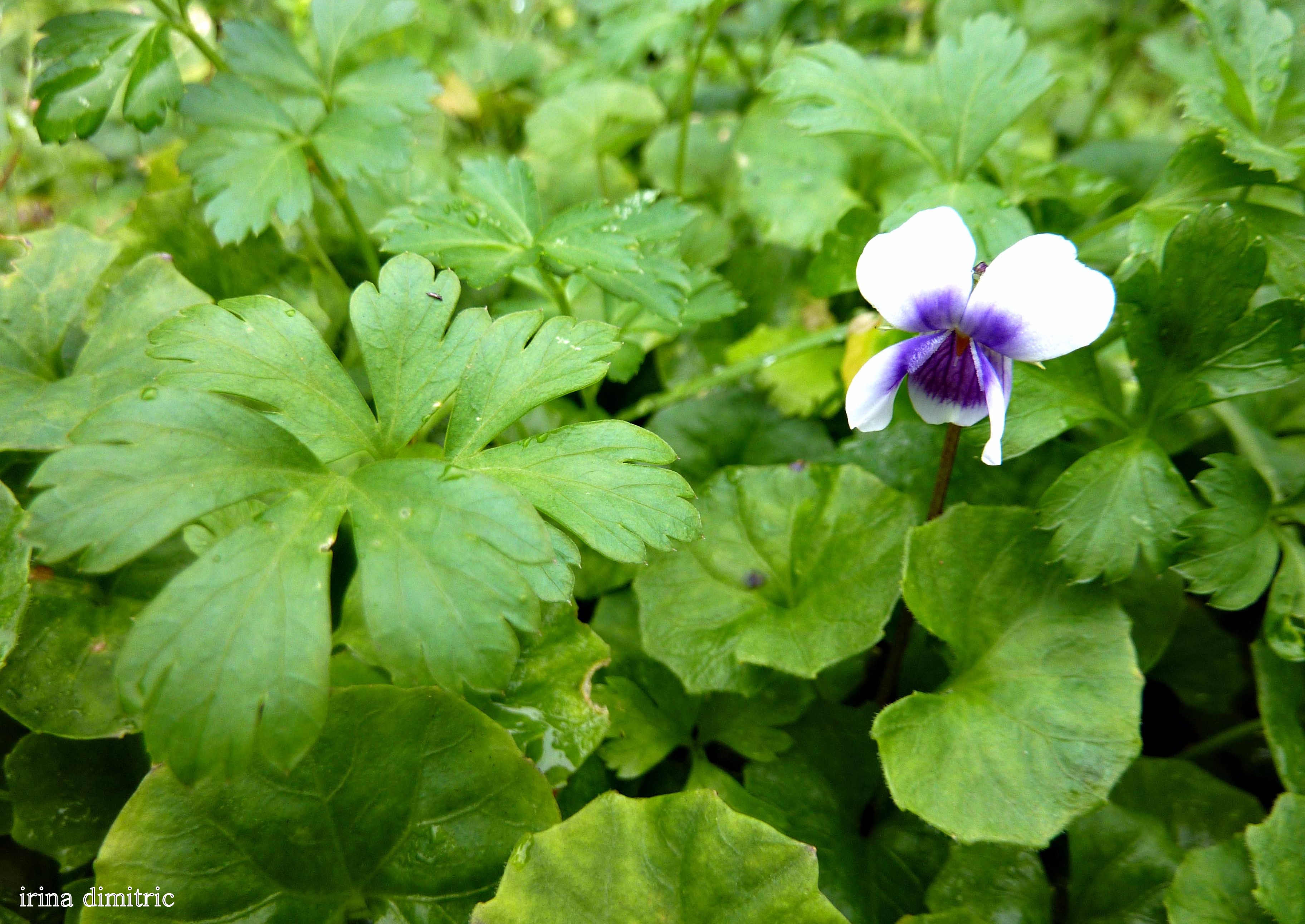
Australian native violet and parsley grow together in harmony
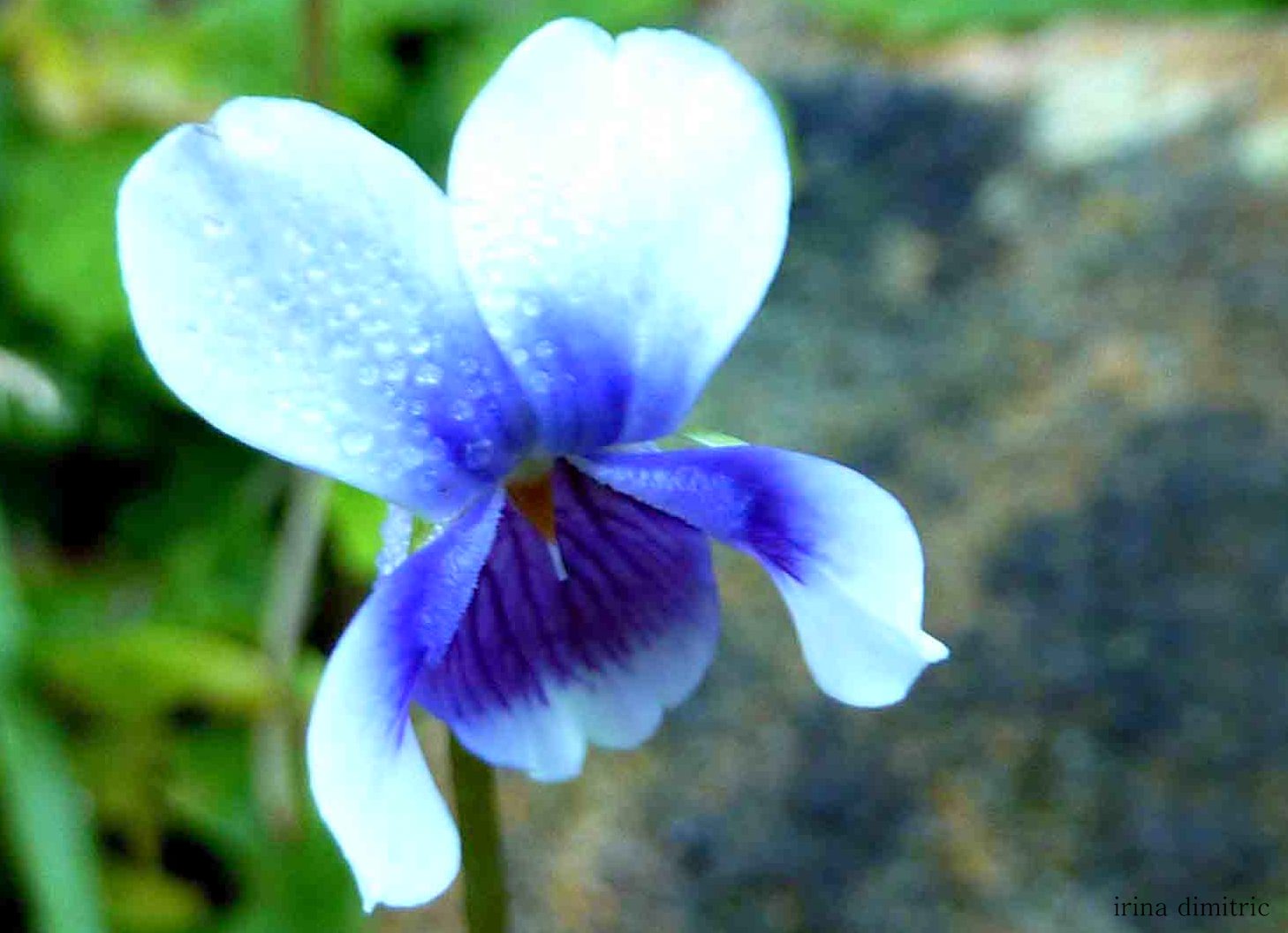 Dew on the violet

Poinsettia after rain
*
Copyright 2014 Irina Dimitric
*
Enjoy this beautiful post by Brad Volz and get inspired to share the message of Peace!

Look, up in the sky
is it a bird, a plane, a man
no, it’s a peace tree
raining down showers
of love, respect and harmony
spreading peace
throughout the land
building bridges of hope
rivers of respect
houses of compassion
all working to love one another
Hallelujah, It’s Raining Peace!
~
Image from peacetreeday.com, an organization founded by Mitra Sen to teach children “the beauty of diversity in unity.”
This poem is to a playful #TBT, inspired by the 80’s disco romp called It’s Raining Men by the Weather Girls. If you want some fun, watch the video and imagine peace raining down, soaking everyone in joyful divine love. 🙂
Or for a more serious poetry companion, try Cat Stevens Peace Train.
Peace, musebrad
In Memoriam
Trimeric
Friendship forged in childhood
In our wartime homeland
Although divided by the oceans
Death cannot destroy
In our wartime homeland
Two little girls met
Sharing their joys, fears and pain
Although divided by the oceans
Their two hearts remained true
Sharing more albeit by mail or phone
Death cannot destroy
Our countless stories
Rest in peace, my friend.
P.S. She was my best friend. I wrote this poem on the day of her funeral, Tuesday 27 December 2011. She loved violets, so I offered her Australian native violets.
© Copyright 2014 Irina Dimitric
Lao women have forged a close friendship performing a dangerous task to free their country of lethal vestiges of war.
Here’s a poem I wrote after watching Foreign Correspondent on 15 July 2014.
“If you see a bombie, do not touch it!”
They are small, only the size of a tennis ball
Millions scattered over the green country
Their deadly touch lying in wait
“If you see a bombie, do not touch it!”
Sing the little children, innocent souls, not even
Born when the bombs rained down on their parents
Every eight minutes, for nine years
While bloody battles raged in Vietnam
Now, decades later, still killing and maiming
“If you see a bombie, do not touch it!”
Teachers teach while mothers clear the land
Equipped with probes and vital instructions
How to detonate the cluster bombs
Shed on Laos every eight minutes
For nine years during the brutal war
Only the size of a tennis ball, but deadly
Difficult to see, pretending to be a rock
After four decades of rain and dust
Twenty thousand people killed or maimed
Since the deadly rains had ceased
As if the end of war was not
“If you see a bombie, do not touch it!”
But they mightn’t see the deadly trap!
Like the blind and handless farmer
Now walking through his village
Clinging to his loving wife
This new life trying to accept
There’s no anger in his heart
Such are Lao people, and the culprit
Says: “Let’s increase our annual funding.”
Twelve million dollars to be precise
Ten million more than all the years before
“If you see a bombie, do not touch it!”
Sing the little Lao children
While their brave and able mothers
Go on clearing the infested land
*
Cluster bomblets have been nicknamed “bombies” by the locals.
The United States dropped more than 260 million cluster bomblets on Laos during the Vietnam War.
Lao women leading effort to clear millions of
unexploded bombs left over from Vietnam War
Foreign Correspondent 15 July 2014 http://www.abc.net.au By Sally Sara
Copyright 2014 Irina Dimitric
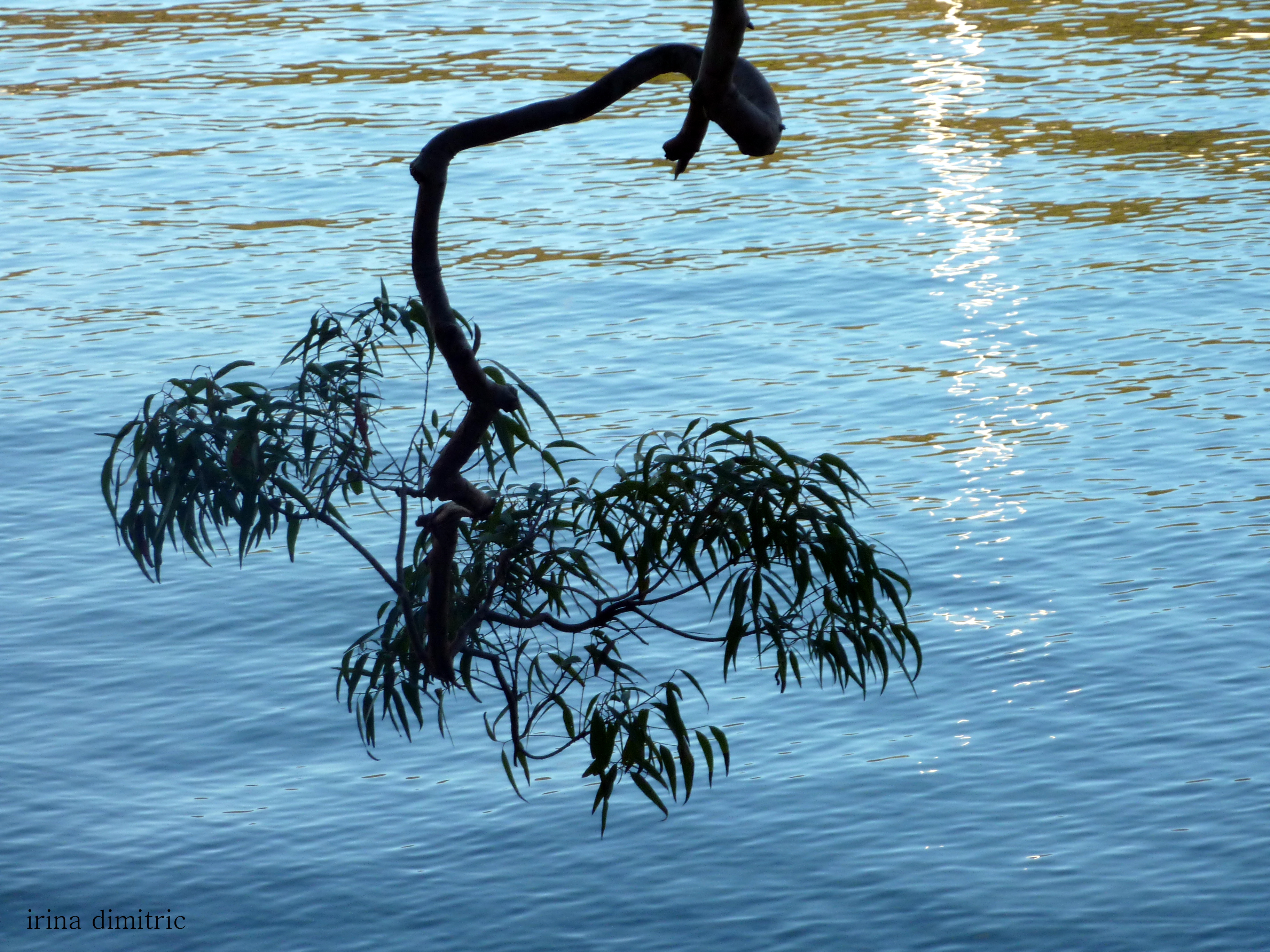
Ars Poetica
My poem can be whatever it wants to be
Free to sing
Free to laugh
Free to cry
Free to rhyme
Or not to rhyme
My poem is free and can be whatever it wants to be
Out of darkness it shines
Like a bright star
On sunny days
It dances with shimmering waves
At sunset
It joins the birds in birdsong
On a rainy day
It marvels at raindrops
Sliding down the window
In sleepy rivulets
Or stopping
As precious pearls from heaven
On flower petals and green leaves
My poem can be whatever it wants to be
But it must be free
Free to sing a sad song
Or a happy tune
Or even a silly one
Such good fun
In form
Or no form, like this one
Yet sprinkled with poetic dust
My poem can be whatever it wants to be
But sing it must.
*
© 2014 Irina Dimitric
http://dougwestberg.wordpress.com/2014/07/27/sunwinks-ars-poetica/?c=236#comment-236
Have you ever been in a submarine? If you haven’t, would you want to? I haven’t and I wouldn’t want to. I don’t feel comfortable in enclosed spaces.
Are you a listener or talker? Both, as a matter of fact.
Do you prefer crunchy peanut butter or smooth peanut butter? Anything with your peanut butter? Ah, peanut butter! First tasted after the war in primary school, a gift from the UNRRA (United Nations Relief and Rehabilitation Administration) to the war-affected children of Yugoslavia. This gooey, sticky, strange spread and a glass of powdered milk tasted really nice. It was smooth peanut butter. In Australia I discovered the crunchy version which I like even better.
Here is what I found about UNRRA on Wikipedia:
The United Nations Relief and Rehabilitation Administration (UNRRA) was an international relief agency, largely dominated by the United States but representing 44 nations. Founded in 1943, it became part of the United Nations in 1945, was especially active in 1945 and 1946, and largely shut down operations in 1947. Its purpose was to “plan, co-ordinate, administer or arrange for the administration of measures for the relief of victims of war in any area under the control of any of the United Nations through the provision of food, fuel, clothing, shelter and other basic necessities, medical and other essential services”.[1] Its staff of civil servants included 12,000 people, with headquarters in New York. Funding came from many nations, and totaled $3.7 billion, of which the United States contributed $2.7 billion; Britain $625 million and Canada $139 million.
As a family we received cartons of food marked Breakfast, Dinner, and there must have been Supper too, I’m sure. I remember clearly that Breakfast was maroon and Dinner blue, Supper must have been green. I liked everything but chewing gum was best!
I was quite disappointed when the recess rations of peanut butter and milk stopped in 1947.

Have you ever been drunk? Oh yes, I’m ashamed to admit. But that was long ago when I was young and foolish. I don’t drink alcohol at all these days.
Bonus question: What are you grateful for from last week, and what are you looking forward to in the week coming up? I’m grateful for my husband’s improved health. And I’m looking forward to going for a walk with him.
I enjoyed answering these questions, Cee.
http://ceenphotography.com/2014/07/21/share-your-world-2014-week-29/
© 2014 Irina Dimitric
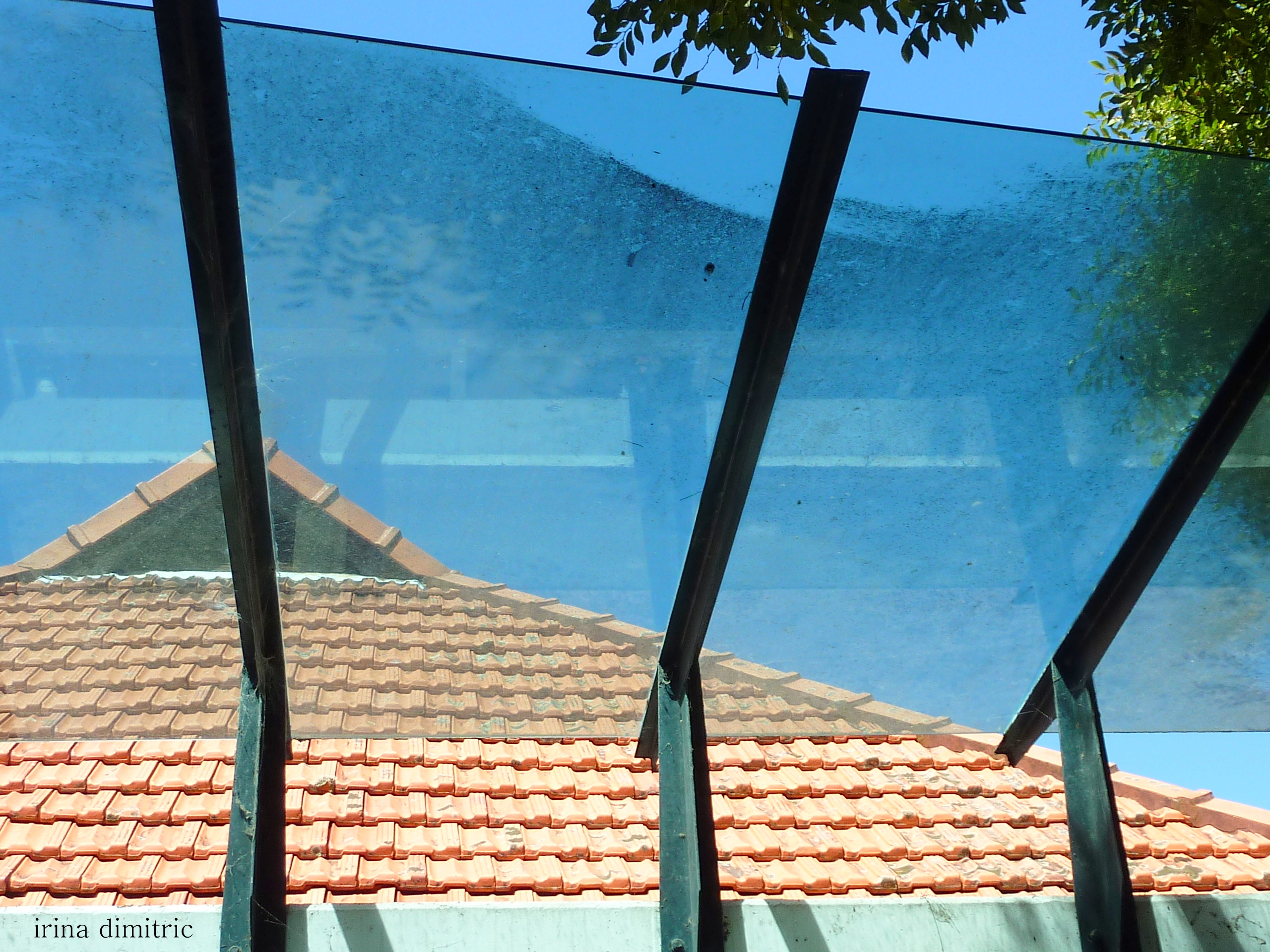
Glass canopy – I think it needs a wash
http://jennifernicholewells.com/2014/07/22/one-word-photo-challenge-aqua/

My recent passions, writing poetry and photography, live in harmony inspiring each other.
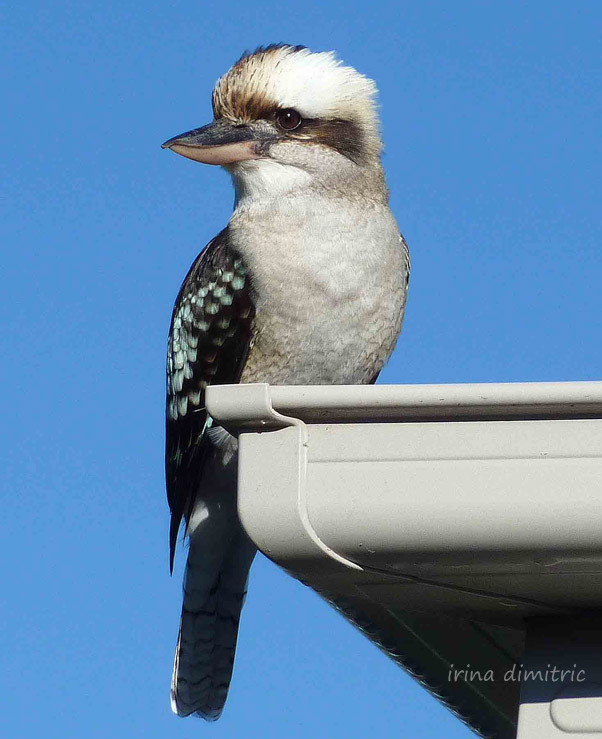

 | House of Heart on Honeybee Tanka |
 | irinadim on Honeybee Tanka |
| House of Heart on Honeybee Tanka |
 | priscillacpoupore on Honeybee Tanka |


 Irina's Poetry Corner