On the High Seas

The Galileo Galilei shown below in Sydney Harbour in 1964
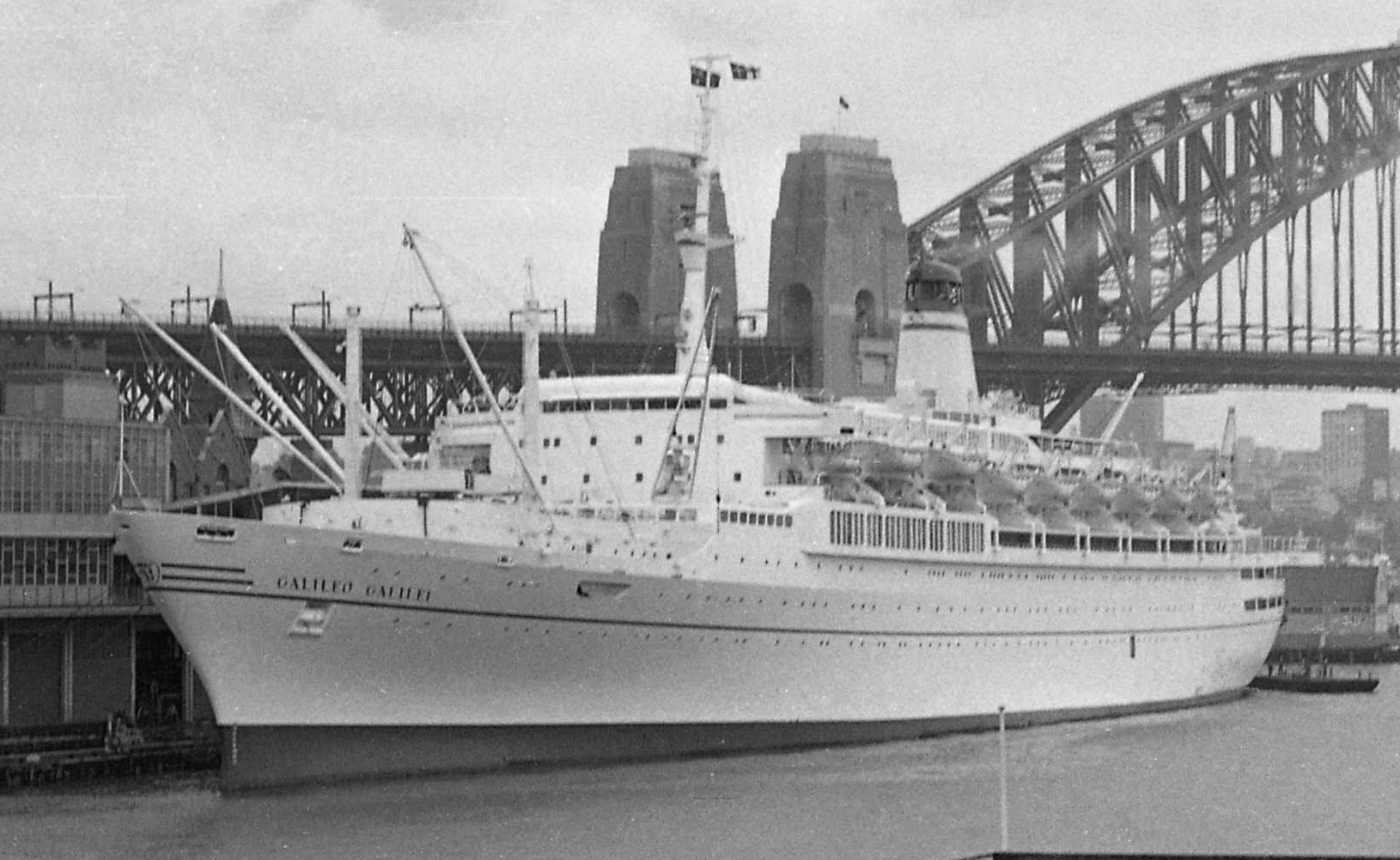
John Ward, CC BY 4.0 https://creativecommons.org/licenses/by/4.0, via Wikimedia Commons

‘Do you know that Australia has the most venomous snakes on earth?’ Harry said with mischief in his blue eyes. ‘And the deadliest spiders, too,’ he added with a smirk.

I froze. Ginger-haired Harry loved to joke, but this was not a joke, I could sense that he was telling the truth. I felt shivers going down my spine, feeling utterly helpless in the middle of the Indian Ocean. There was no way back now – we were sailing to Sydney.  

Not a word about these unpleasant fauna details in glossy booklets we were given at the Australian Embassy in Paris. Pretty cottages with a garden and swimming pool, for sure. Kangaroos, of course. Perhaps sleepy koalas, too. Were traditional owners of the land mentioned? I can’t remember exactly. But no mention of venomous reptiles and deadly arachnids. The Promised Land lost some of its appeal… However, I knew I had to make peace with the notion that there is no such thing as Paradise on Earth, as well as accepting my smallness in the middle of the vast ocean.

For days and days nothing but heaving waves and the sun above in the blue sky, turning into a big red ball sinking into the ocean at the end of the day. It was an eerily beautiful experience, this sunset spectacle in the vastness of the ocean – I, just a tiny speck – one   little speck among other little specks, sailing the big waters to an unknown land, to,  hopefully, a better future, mingling with other fortune seekers on the state-of the-art ocean liner SS Galileo Galilei in May and June 1964.

Galileo’s state-of-the-art features included the state-of-the-art stabilisers, that is stabiliser wings, one on each side of the ship, which would be put out to reduce the ship’s roll in rough seas. Well, they didn’t do a great job when we sailed out of the Red Sea and entered the Indian Ocean!

Oh, the rolling and rocking!!! Up and down!!! From side to side! Up and down! Down I go too!!! On my knees… I’m feeling sick … over the edge I send my vomit into the roaring, foaming ocean… my little boy is next to me doing the same thing…A sailor appears, passes by staggering… Sasha, spectacularly, is standing upright like a fir tree!  

The next day Galileo turned into a phantom ship. There was no one on the deck except for a crew member here and there. The passengers were vomiting in their cabins. Our little boy and I spent two or three nights sleeping in deck chairs in the fresh air away from the vomit stench below. Sasha looked after us, brought us sandwiches and drinks. He took us to the busy doctor administering seasickness pills. I think I was swallowing those pills for the rest of the voyage.

When we returned to the dining room to again enjoy delicious Italian food and exchange smiles with other passengers, it was not as busy as while Galileo was sailing across the Mediterranean Sea. How I missed the mild waves of the Mediterranean! My thoughts went back to Genoa, to that day we said goodbye to old Europe. Our respective families came to see us off, hug and kiss us, wish us all the best on our adventure to the far-away land, across seas and oceans. There were tears in their eyes, but I don’t remember being sad. I was convinced we were doing the right thing and counting on returning for a visit in two years’ time. The multicoloured streamers thrown from us on the deck down to our loved ones on the quay were getting longer and longer, the ship hooted her goodbye.

The sadness hit me later. Not in Naples. Naples was fun and exciting.  We must have docked for two days, because I remember our sightseeing tour of the town in a horse-drawn carriage, with the black horse adorned with red ribbons and red pompoms, and on the second day a tour of Pompeii. Oh, those ash mummies! Did they have time to say “I love you” to their loved ones? Did they have time to ask for forgiveness, to say a prayer? I felt the agony of their last breaths contained in their contorted bodies. I felt uneasy… What if Vesuvius decided to grumble again as it did in 79CE? I was glad when we got out of the city frozen in time, the time of the Roman Empire preserved in ash, frescoes, and marble…

The sadness hit me in Sicily, in Messina.

Wait a minute! That was not exactly the course of events. But that’s what happens when you are trying to remember things that happened 60 years ago. All we did in Naples was the bus tour to Pompeii; we did the horse-drawn-carriage tour in Messina. So, Naples was overwhelming, while Messina was fun.

Yes, Messina was fun, but only until departure time. The multi-coloured streamers were in stark contrast to the black figures on the pier below. All of them old folk. With worried looks and tears in their black eyes. Their young sons and daughters leaving for who knows how long, in search of work, in search of a better life at the other end of the world. Would they see them again? … I felt a pain in my heart, and tears just welled up. Sasha gave me a hug.

We were leaving the calm Mediterranean Sea. We were leaving Europe. Beautiful Europe. Troubled Europe.

Alexandria was the last big port. Can’t remember much. But I remember Port Said. We must have docked for two or three days, because a lot of passengers went to see the pyramids, but Sasha and I were afraid to leave the safety of Galileo… In Port Said we stayed on board. Although it was peaceful now, we remembered the Suez Crisis of October-November 1956 when President Nasser nationalised it. Better safe than sorry! We stayed on board. Then the passage through the Suez Canal, an eerie experience for over 12 hours, so uncomfortably narrow you could almost touch the rock wall in some places.  Today, you can see on Google the engineering feat by the Compagnie de Suez, the construction having lasted for ten years, from 1859-1869. Being claustrophobic, I felt better when we sailed out of it into the Great Bitter Lake and then the Red Sea.  

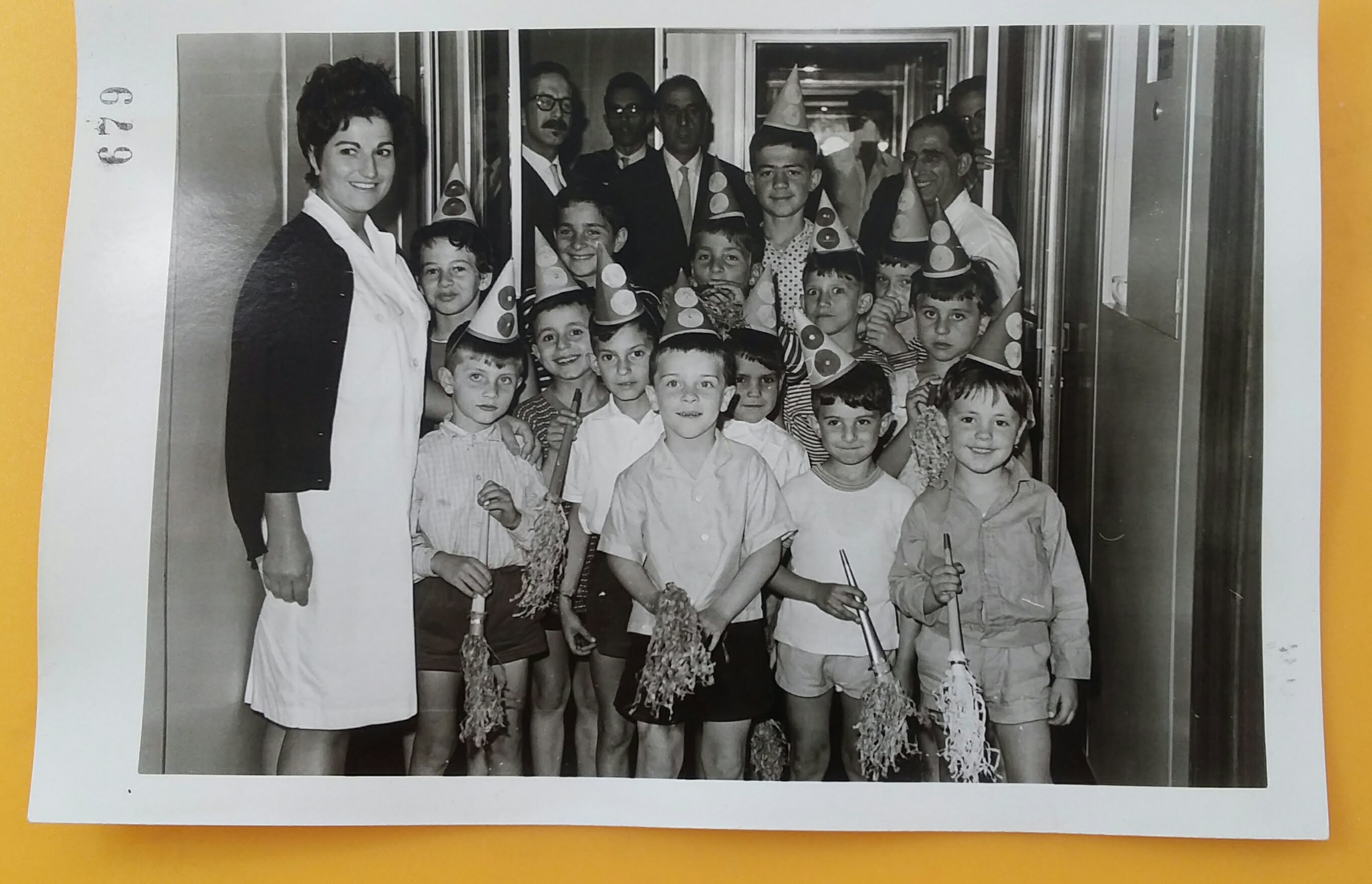
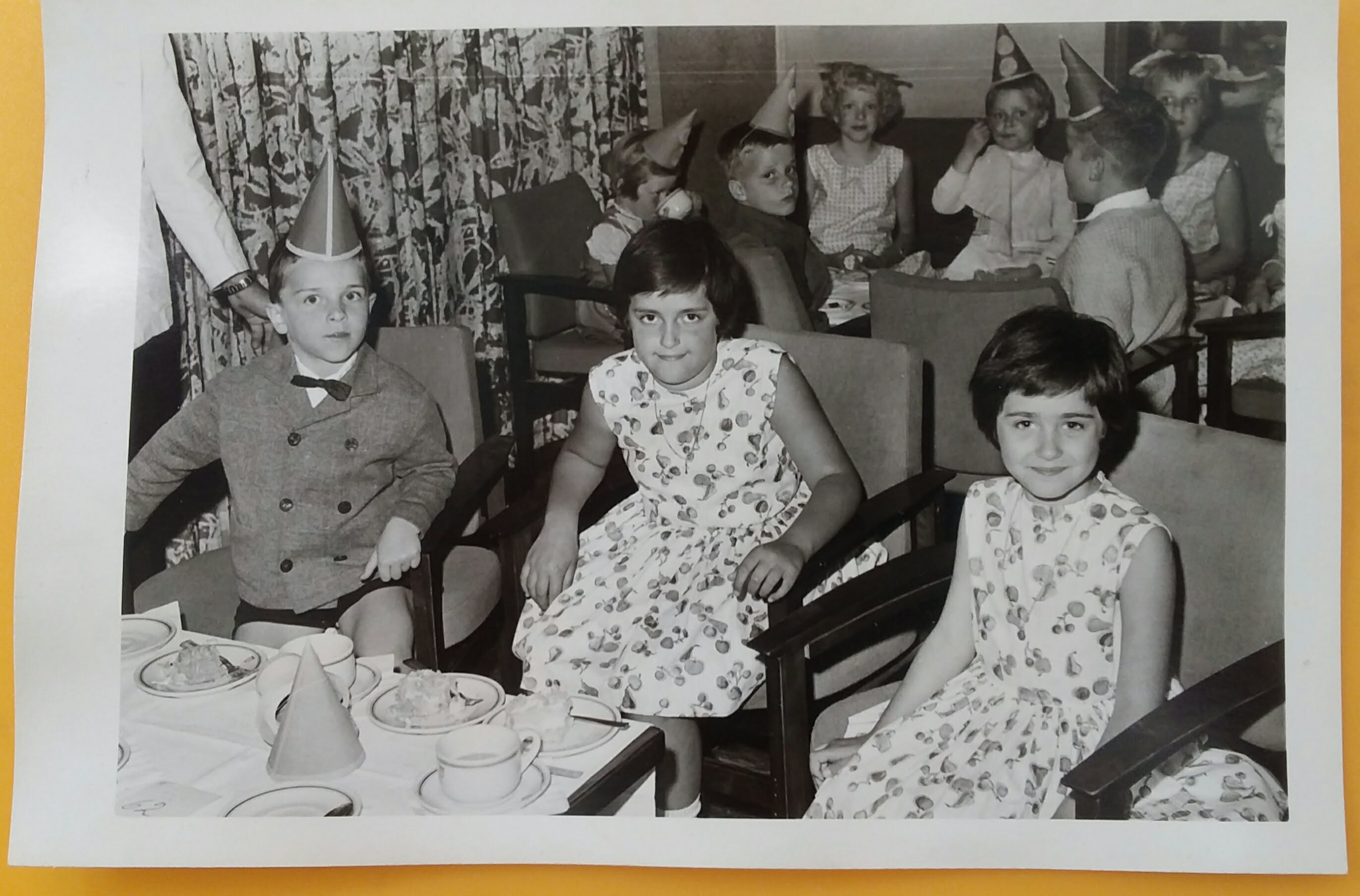
 And after that all hell broke loose. The Indian Ocean was having fun rolling mighty waves in a perpetual dance, night and day for days and days, although the rolling wasn’t as bad as on entering the big ocean, and then, of course, the seasickness pills helped some of us, so I enjoyed sun baking and having a swim in the swimming pool on the lower deck. And when we were crossing the Equator, I watched from the upper deck how the god Neptune did his gig and threw a damsel into the swimming pool. Our little boy was looked after and entertained in the kindergarten, which gave us the opportunity to socialise with grownups, and we met lots of interesting people. So, when we sailed into Freemantle, Western Australia, on 11 June, we took a train to Perth with the Italian family we had befriended. Nico and Silvana had two girls, a bit older than our almost five-year old son. Sasha and Nico wanted to go to the Immigration Office to enquire about possible jobs. Both were entering Australia as skilled migrants, their passage paid for by the Australian government, their only obligation to stay and work in Australia for two years. When we arrived at the Immigration Office at lunch time, it was closed, closed for lunch the notice on the door said!  … I remember the quaint facades all along the street, just like the ones in American cowboy movies… I think we tried the same in Melbourne, but all I remember is the stench of mutton dripping from fish and chip shops. Galileo probably docked in Adelaide as well, but I don’t recall it. Quite possibly, because we decided not to visit the Immigration Office. I remember well, however, the choppy seas of the Great Australian Bight! I was quite groggy when we arrived in Sydney on 17 June, very early in the morning. And to add to my distress, while still down in our cabin, packed and ready to face the new world, suddenly, half of a huge eye, as if out of a comic strip, was facing me through the porthole! I fell down the rabbit hole as Galileo was passing under the Harbour Bridge.
©2026 Irina Dimitric
    

Posted in Australia, Story | Tagged , , | Leave a comment

Honeybee Tanka

I’m learning how to post things on my blog again…

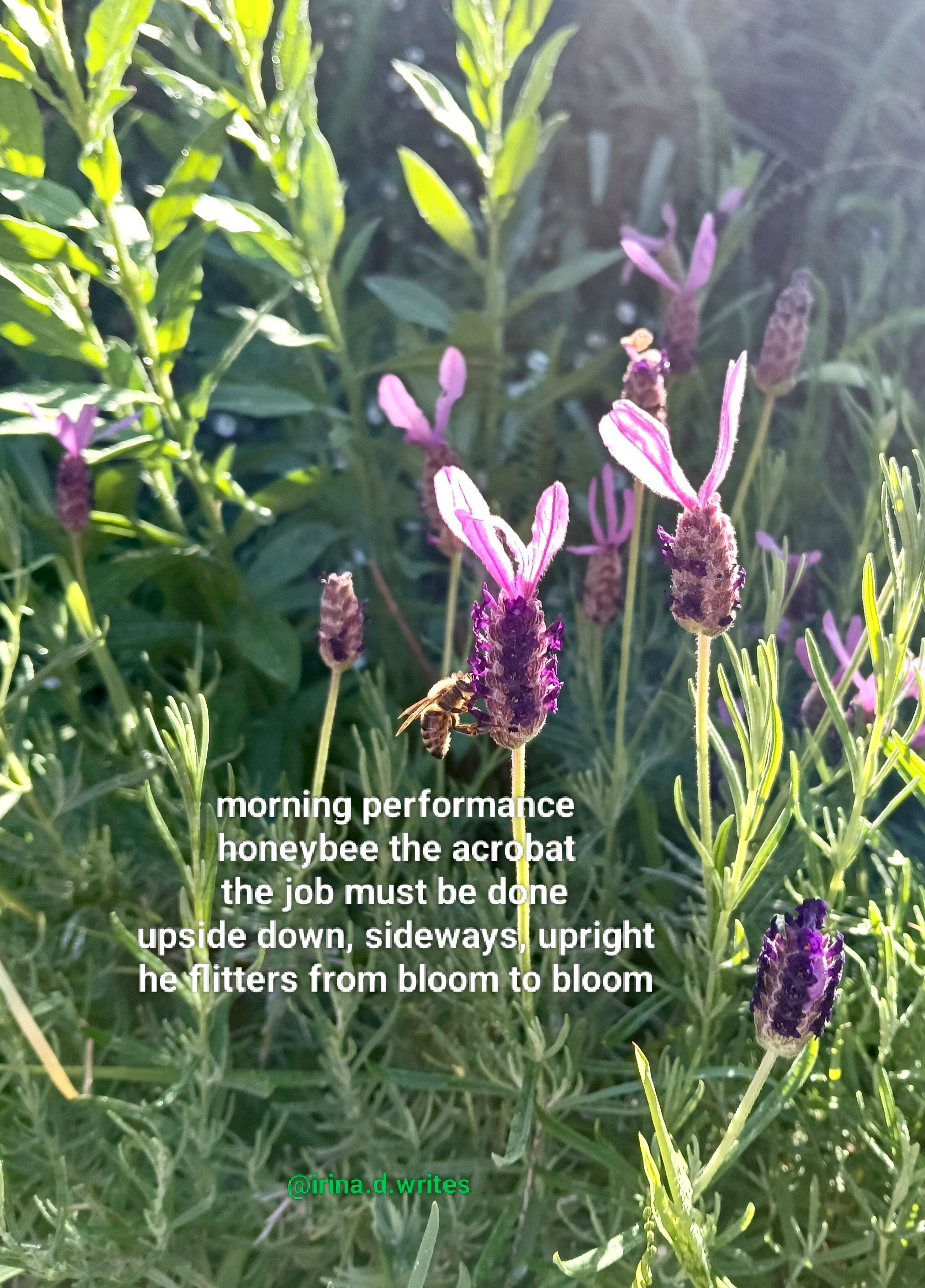
Here is a tanka poem:

morning performance
honeybee the acrobat
the job must be done
upside down, sideways, upright
he flitters from bloom to bloom

Have a nice weekend everyone!

Copyright (c) Irina Dimitric 2025

Posted in Nature, Poetry, Poetry/Photography, Tanka | Tagged , , , , | 5 Comments

Building a Haiku

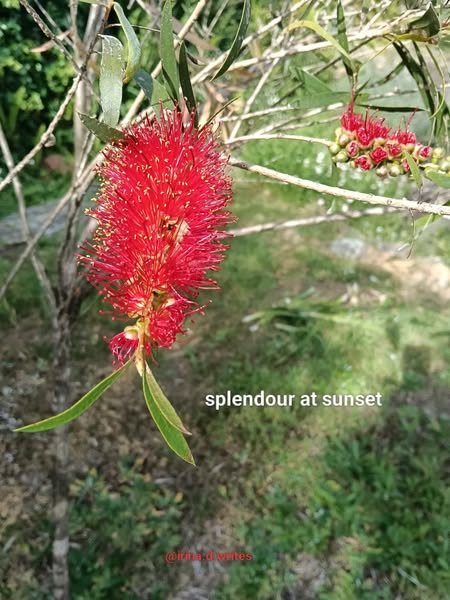
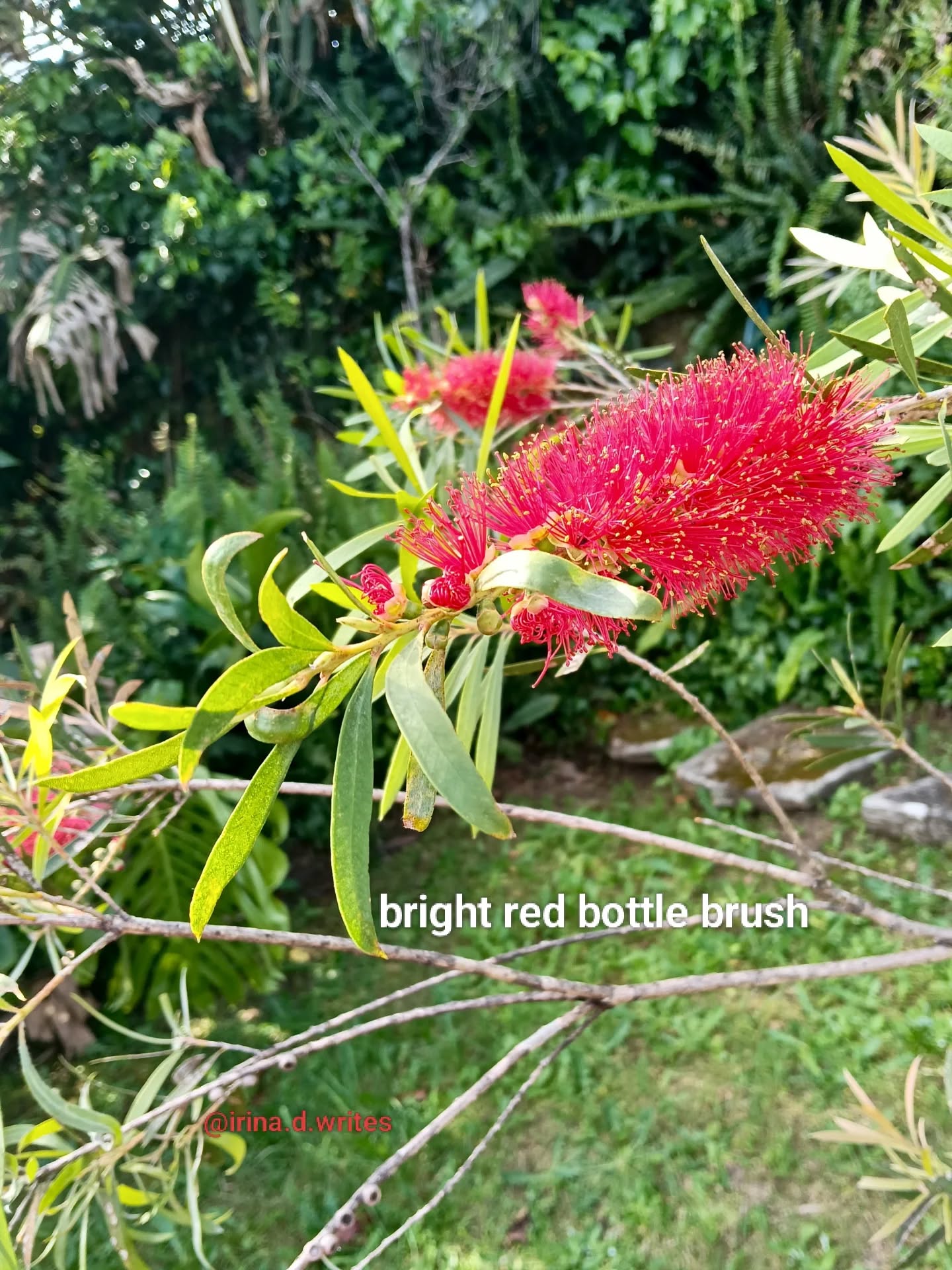
splendour at sunset
vivid, vibrant spring colours
bright red bottle brush

Yay! I managed to post this with my daughter’s help. Thank you, dear Tania, for your infinite patience.

Copyright 2025 Irina Dimitric

Posted in Form Poetry, Haiku, Photography, Poetry, Poetry/Photography | Tagged , , , , , , , | 2 Comments

Blogging again…

Hello everyone! I’m trying again to post something after one year of absence.

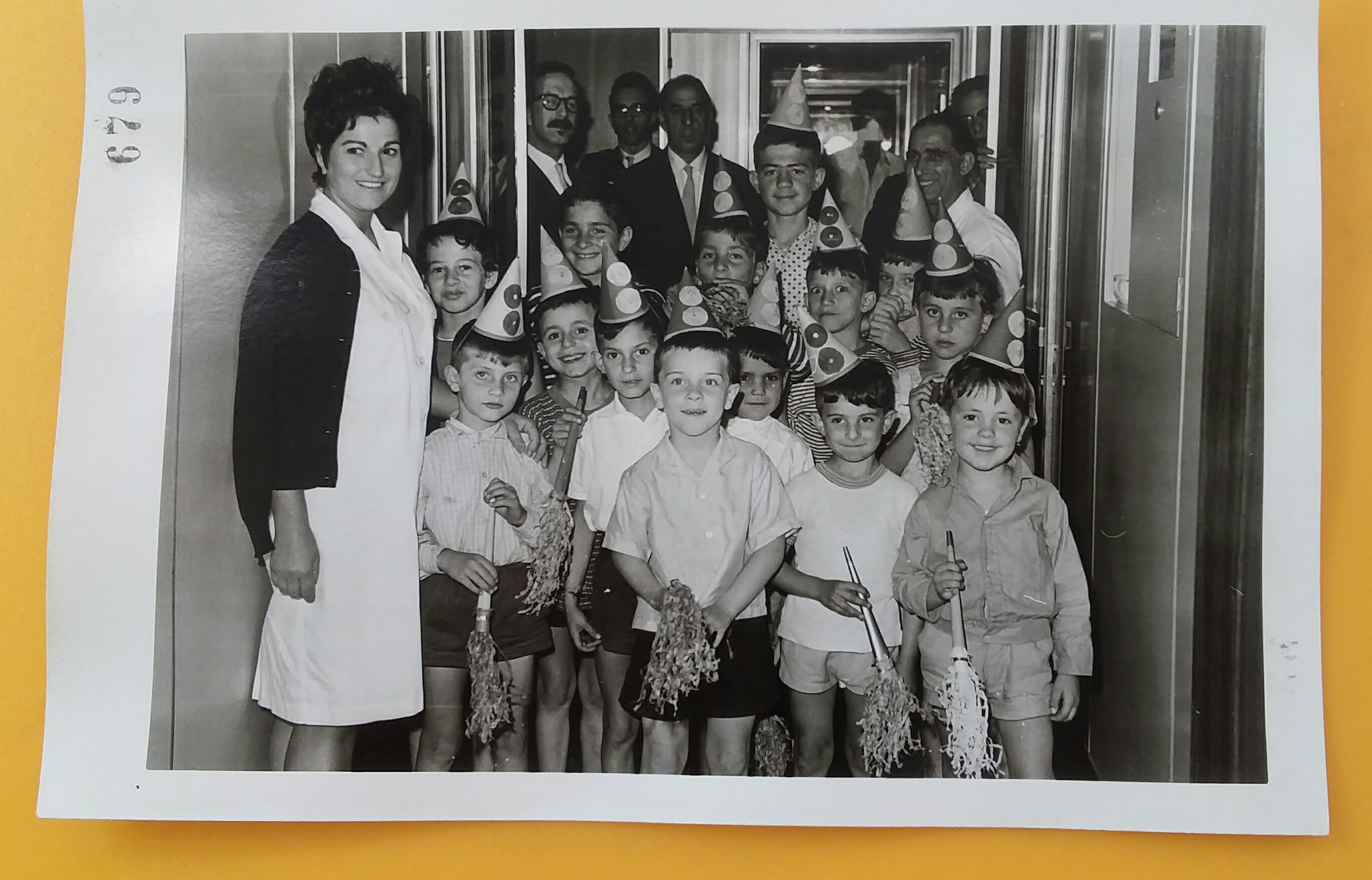
On board the Galileo Galilei in 1964 on our way to Australia. John (Srdjan) Dimitric, almost five years old, in the front row, centre.

More to come!

Happy day everyone!

Posted in Irina Dimitric-Stojic | Tagged | 5 Comments

A Tanka Poem for the New Year 2025

Posted in Form Poetry, Poetry, Poetry/Photography, Publishing, Tanka | Tagged , , , , , , , , , , | 5 Comments

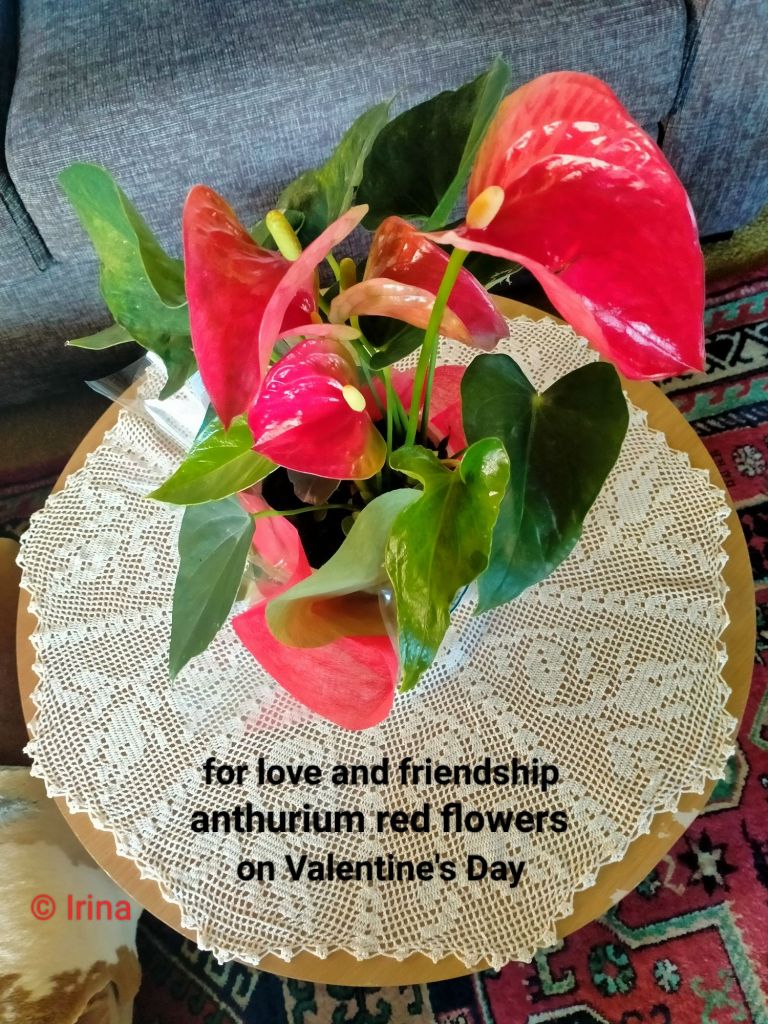
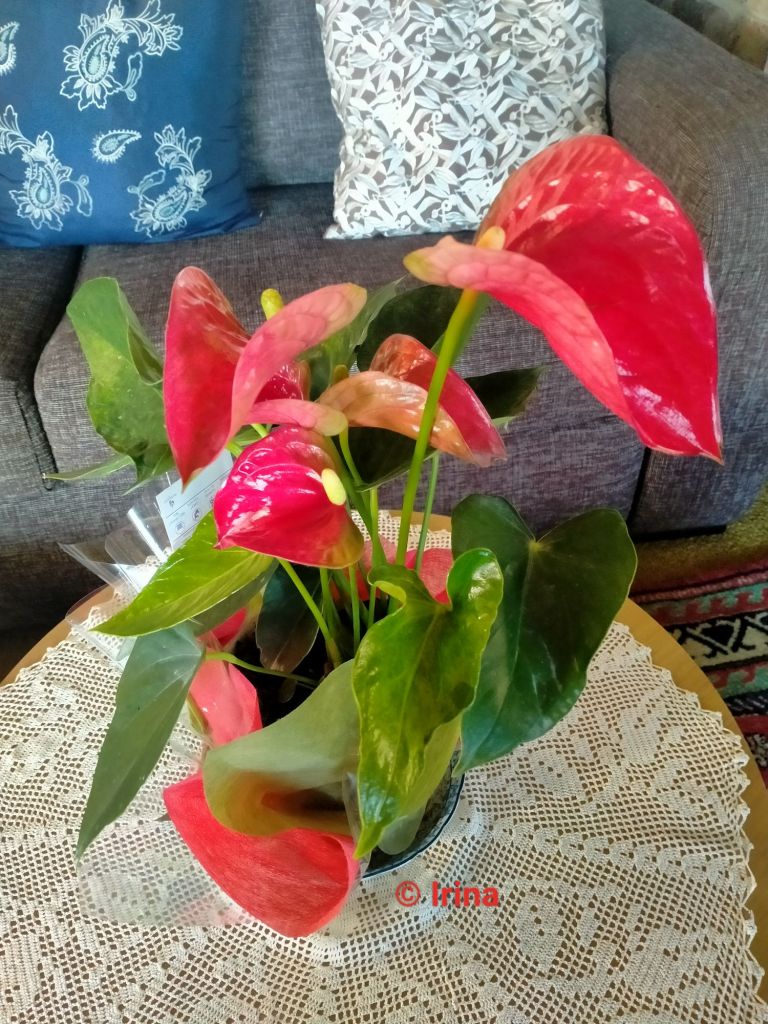
Red Anthurium for Valentine’s Day

Happy Valentine’s Day!

for love and friendship

Here’s a haiku:

for love and friendship

anthurium red flowers

on Valentine’s Day

Copyright 2024 Irina Dimitric

Australia Australian birds Bogdan Stojic Cee's Fun Foto Challenge cinquain clouds dark poetry death Dr Bogdan Stojic flowers forgiveness form poetry free verse garden gratitude Growing Up In The Forties Haiku historical memoir History love memoir memories Mindful Poetry My Dad Volunteer in WWI nature Novel photo photo essay photography photos poem poetry poetry/photography publishing quote rhyme spring SunWinks! Sydney tercetonine Visual Arts Weekly Photo Challenge Wesun WWI WWII

Posted in Uncategorized | Tagged , , , , , | 5 Comments

Toxic People – A Senryu

#senryu #haiku #japanesepoetry #toxic people


They will be poisoned
By their own toxicity
The toxic people

Posted in Haiku, Irina Dimitric-Stojic, Poetry, Poetry/Photography, Senryu | Tagged , , , , , | Leave a comment

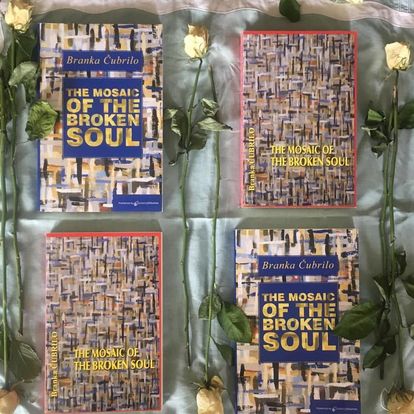
My Review of The Mosaic of the Broken Soul by author Branka Cubrilo

The Mosaic of the Broken Soul by Branka Cubrilo

My rating: 5 of 5 stars


I’ve read this book a couple of times in the last ten years, and decided now, the second time after reading it, to leave a review on Goodreads.
I really enjoyed reading it again. It is a well-written book, full of interesting and original metaphors and deep emotions. Anyone who is going through a stressful time, dealing with health issues or any kind of adversity should find solace among the pages of this fine book.
Highly recommended!!


Posted in Uncategorized | Leave a comment

The Night Parade – Maria’s Story

Maria and I have so much in common. Both born in 1935. Both European. Both came to Australia about the same time. Maria with her husband Alfons and their baby daughter in 1963, Sasha and I with our five-year-old son in 1964, both in search of a better future, away from troubled Europe.

We met at a gym in 2015. Maria joined the gym for her husband’s sake; I joined it on doctor’s orders, and Sasha came along occasionally. The four of us clicked immediately.

Maria told me she liked the Serbs.  

“A Serb saved my father’s life,” she said while we were having a rest. “At the end of the war.”

It felt good hearing this. But there was not much time at the gym to ask her more about it.

Maria and I looked after our ailing husbands. The four of us enjoyed meeting for lunch at local eateries or in our homes. I wish we had met earlier in life. Still, how grateful I am that we had met at all, and just at the right time to support each other when our husbands were living out their final days. We both became widows the same year, about the same time.

After two years of grieving, I was ready to hear Maria’s story about her father.

                                                                ***

Konstanz is a beautiful German city on Lake Constance, or Bodensee in German, where the river Rhine flows out of the lake on its journey northward through Europe. The lake is on the border of Germany, Austria, and Switzerland. One of the most beautiful places on earth. The year is 1945 – the last few days of the Second World War. Dead of night. A daring undertaking is about to take place, and the mastermind of the operation is Paul B, born in June 1906, Maria’s father.

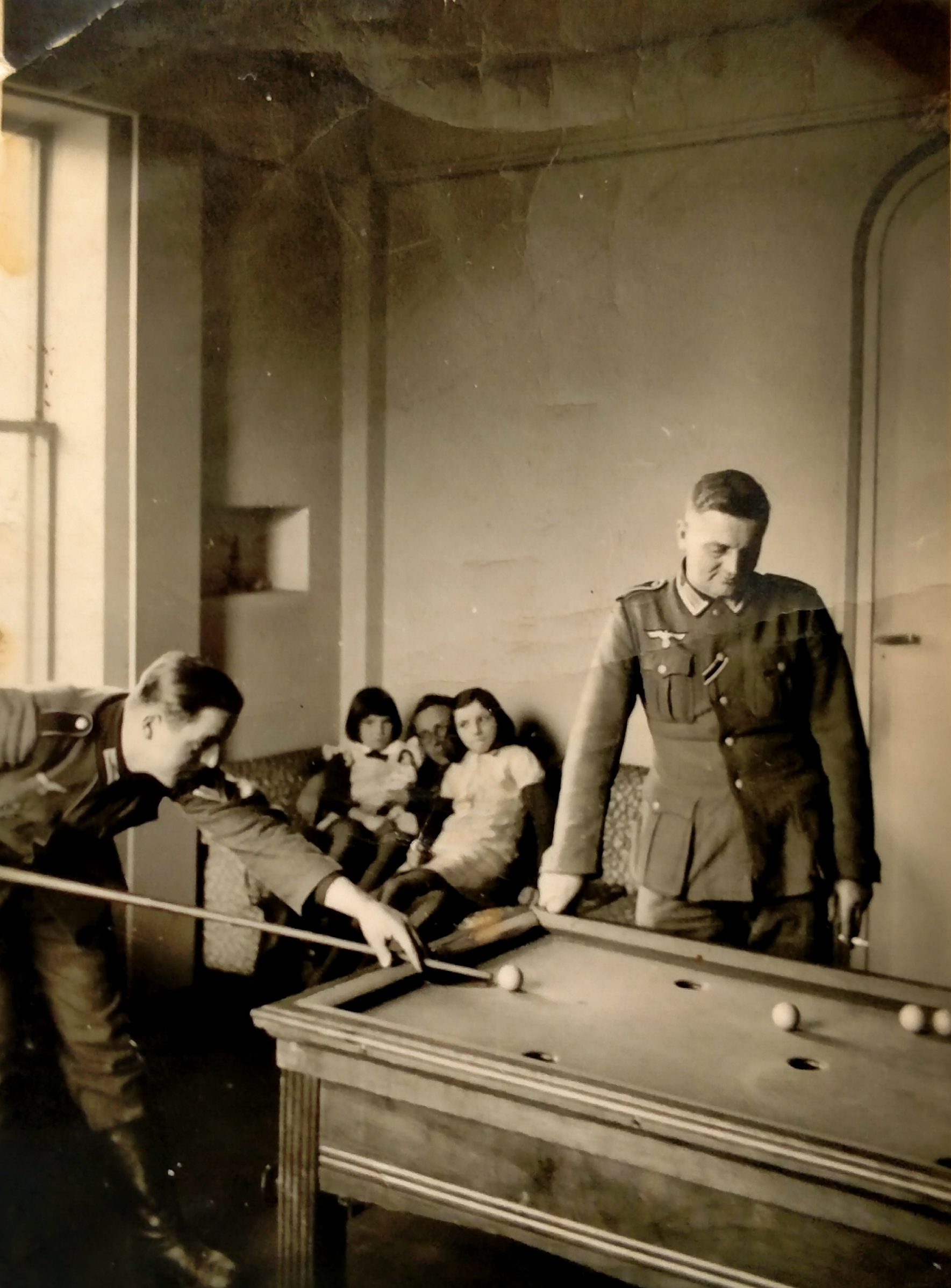
Maria and I missed our fathers during the war. Mine was a POW in Germany after Hitler’s invasion of Yugoslavia on 6 April 1941, while Maria’s father, a military man, reached Stalingrad with the Wehrmacht a few months later the same year; he was later transferred to Konstanz where he oversaw all the POW camps around lake Constance and was away from home most of the time.

“My dad liked the prisoners. He admired them,” Maria tells me. “He admired the way they survived. They were of different nationalities, mostly Russians and Serbs. He played cards with them and enjoyed the slivovitz the Serbs brewed. He became their friend. They became comrades in arms living through the same misery of war.”

And then, in the last few days of the crumbling Third Reich, the unthinkable happened. In the utter chaos, the Nazis tried to establish some kind of order. The Russians were only 20km away from Konstanz.

Paul B got the order to shoot all the prisoners. To shoot them all within a week.

“He couldn’t do it,” Maria beamed, shaking her head. “He just couldn’t do it! They were his friends!… I was a child, but I sensed something strange was going on.”

I was all ears.

“It was very quiet in our house that day. My parents spoke in very low voices, which seemed so weird to me. I hid close by so that I could hear them better. When my elder sister Trudi came home, Mother and Trudi had a long talk. I concluded something bad was happening because there were a lot of sighs and tears. I heard Mum saying, ‘Tonight, your father will take all the prisoners to Switzerland. Your father has received the order to shoot all the prisoners within a week. But he can’t bring himself to do it. So, he went straight away to a general he knows personally to ask for advice; he was told to get in contact with Swiss authorities, Switzerland was taking in all prisoners.’ And that is what he did. He took them all out as soon as it got dark. All dressed in their beautiful uniforms. They looked splendid in clean uniforms, all polished, and their faces shining with pride. I was only nine and a half years old, but I have never forgotten that night.”

Maria’s eyes glistened with wonder and excitement.

“My sister, my brother, and I sneaked out of the house in our pyjamas and barefoot. Dad had told us to stay at home; he was concerned about our safety, of course. But we climbed out quietly through the window so Mum wouldn’t hear us, and we joined the quiet march to freedom… The night was warm, with a bit of moonshine, silent. The Russians were close by, and the people were scared, so they stayed indoors. No one knew a lifesaving undertaking was taking placed right in front of their houses. Those who noticed the march thought it was the Russian Army… I have never forgotten that night. The whole walk took about thirty minutes across a bridge to Schnetztor and over to Switzerland. It was the most beautiful parade I have ever seen. At the border everything was ready to welcome the fugitives; the Red Cross was there, and local townsfolk were distributing food and drinks. And it was expected the prisoners would rush over the border to safety, but the unexpected took place – each man stopped in front of my father, saluted, and shook his hand. We saw all that, although Dad couldn’t see us. And we could detect tears in our father’s eyes, which happened on very rare occasions… We were so proud of him. He managed to get all his men to safety. A few hundred of them. The next day he turned himself over to the Nazis and told them what he had done. They turned him over to the Russians.”

Tears welled up in Maria’s and my eyes…

“That night, he was offered to stay in Switzerland, but he couldn’t accept the offer; he knew the Nazis would have punished us, his family. Instead, he turned himself over to the Nazis to protect us, to spare us from interrogation.”    

“Next, he was in the hands of the Russians. The Russian Army had a long train ready for all German prisoners about 20km away from Konstanz. They were filling the train with prisoners. In three weeks, they would be taken to Russian camps in Siberia. My father would be in one of the carriages. We’d never see him again.”

“And then, about two or three days after my father had been turned over to the Russians, a handsome, tall man in a most beautiful uniform, Mum said he was a Serb, asked me, ‘Where is your papa?’ And I said, ‘I don’t know.’ Then my mother came and gave him all the information.”

“I just kept staring at him. He looked like a God to me. And after all those years, whenever I remember him and tell this story, I cry… This Serb, as soon as he had found out where my father was, hopped on his bicycle to ride 20km to get my father off that train!”

“That long train was the longest train to leave Germany, with hundreds of German soldiers who were never heard of again, not a sign of life from any of them, no one has ever returned; that train disappeared into the night like a phantom.”

“Dad was saved… Saved by this handsome man in the most beautiful uniform.”

Maria’s face was aglow… And I understood why she could never forget him.     

“The French were already in our town,” she continued. “My father was immediately offered a job with the newly established police force. But, eighteen months later he died in a car crash… I hardly knew my father. During the war he was away most of the time, and then he died so suddenly. I’m glad I have at least a few photos. And I have this most precious memory. I am so proud of him. He was a good man, and handsome too.”

Maria’s younger sister, who lives in Germany, was recently approached by an Italian Ex-POW wanting to talk to her about her father, saying to her, “Your father was a fair man.”

So was the Serb officer, repaying kindness with kindness. Both men of great integrity and common decency, men who make us feel proud of our humanity.

And I would like to add that Maria’s father was more than a fair man. He was a hero. For only a hero puts his life on the line to save another’s life.  Paul B saved hundreds of lives.

©2023 Irina Dimitric

Posted in Novel, Story, WWII | Tagged , , , | 7 Comments

Aloe Vera – Haiku

Aloe Vera blooms

Hot orange in the morn sun

My old heart wakes up

Posting this has been a very painful exercise. I haven’t been here for ages and now can’t find my way around. I guess I’ll have to come back soon to do some training !

Australia Australian birds Bogdan Stojic Cee's Fun Foto Challenge cinquain clouds dark poetry death Dr Bogdan Stojic flowers forgiveness form poetry free verse garden gratitude Growing Up In The Forties Haiku historical memoir History love memoir memories Mindful Poetry My Dad Volunteer in WWI nature Novel photo photo essay photography photos poem poetry poetry/photography publishing quote rhyme spring SunWinks! Sydney tercetonine Visual Arts Weekly Photo Challenge Wesun WWI WWII

Copyright 2023 Irina Dimitric

Posted in Uncategorized | Tagged , , , | 5 Comments